
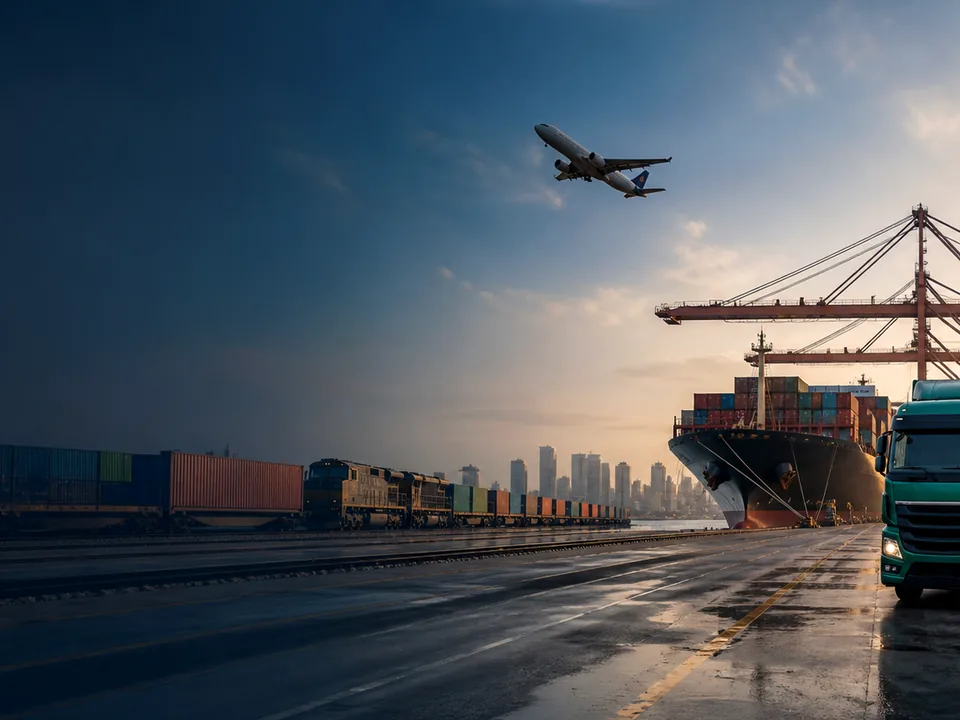
Start with the shipment, not the mode
Road and rail can both move interstate cargo efficiently, but the better choice depends on volume, route, delivery window and handling requirements.
When road freight works well
Road transport offers flexible pickup and delivery, broad location coverage and fewer handovers. It is often suitable for smaller lots, direct movements, urgent schedules and destinations away from rail terminals.
When rail freight makes sense
Rail becomes attractive for high-volume, containerized and longer-distance routes where capacity and cost stability matter. First and final-mile road legs still need to be planned carefully.
Consider a multimodal route
The decision is not always road or rail. A combined road–rail solution can use road flexibility at each end and rail efficiency on the long-distance leg.
Information your logistics partner needs
- Pickup and delivery pin codes
- Total weight, dimensions and package count
- Cargo type and handling restrictions
- Required pickup and delivery dates
- Loading and unloading facility details
Sharing complete information early helps the operations team compare realistic routes instead of generic rates.